July 28, 2026
Limescale buildup is a common household problem that can affect plumbing fixtures, appliances, and everyday cleaning routines. The chalky white deposits often appear around faucets, showerheads, sinks, and other areas where water regularly evaporates. While small amounts of buildup may seem mostly cosmetic, continued accumulation can create more noticeable problems over time. Limescale develops when minerals in hard water remain behind after the water dries. These deposits can become increasingly difficult to remove and may affect the way certain household systems function. According to Southern Living, approximately 85% of households in the U.S. have hard water, where elevated calcium and magnesium levels contribute to scale buildup and reduce the effectiveness of soap. This means many homeowners may encounter mineral deposits as part of their regular household maintenance. Using the right limescale remover and addressing the source of the buildup can help protect surfaces, fixtures, and appliances.
Recognizing Common Limescale Deposits
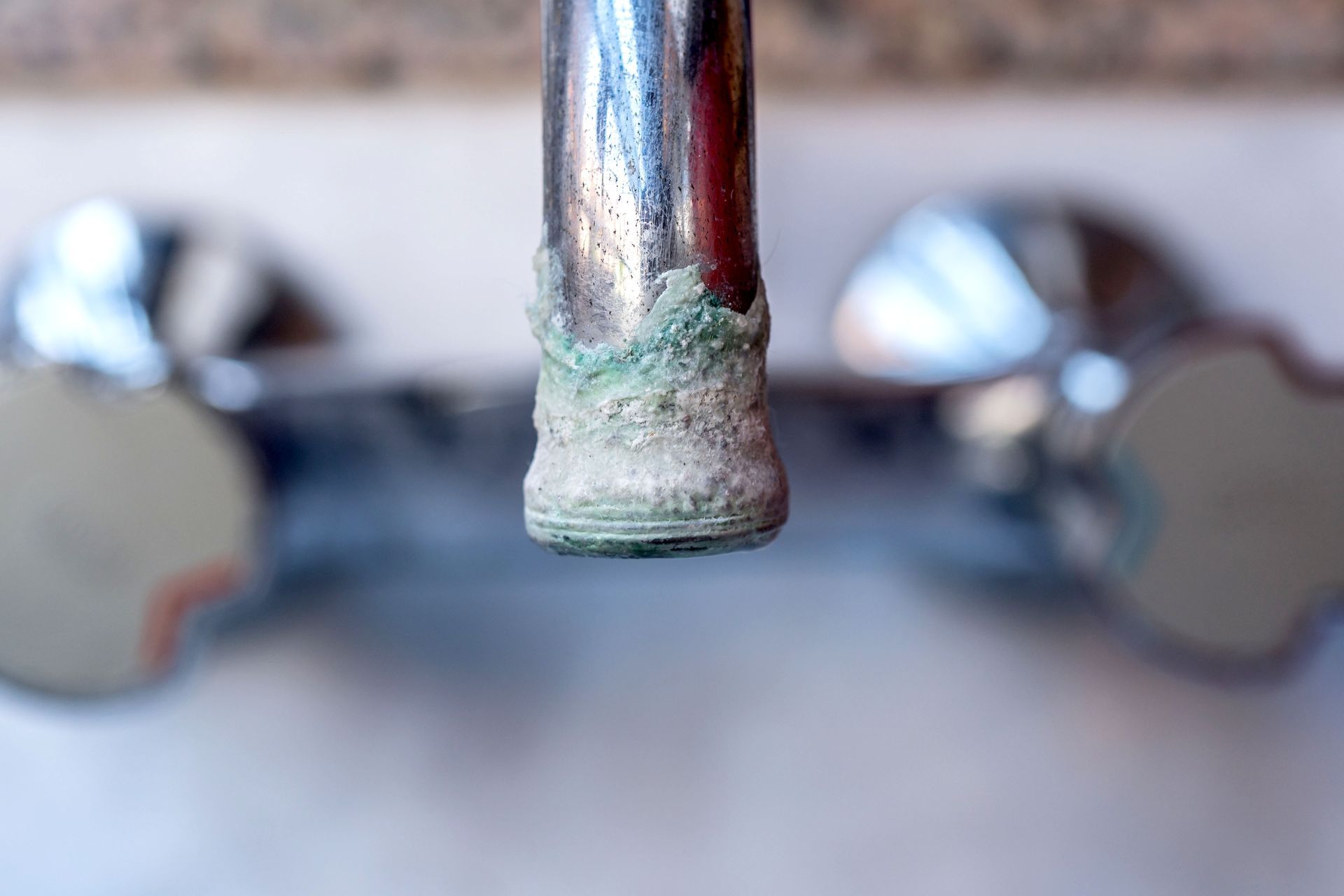
Limescale can appear in several different areas throughout a home. White or chalky deposits may form around faucets, drains, shower doors, and other fixtures exposed to hard water. The buildup may initially appear as a thin film but can become thicker and more noticeable if it is not removed. Mineral deposits can also collect inside small openings, such as the spray holes on a showerhead. Over time, these deposits may affect the appearance and performance of the fixture. Limescale may be particularly noticeable on dark surfaces or polished materials where white residue stands out. Regular cleaning can help prevent small deposits from becoming more difficult to manage. A limescale remover can help break down mineral buildup and make affected surfaces easier to maintain.
Reducing Plumbing Fixture Performance
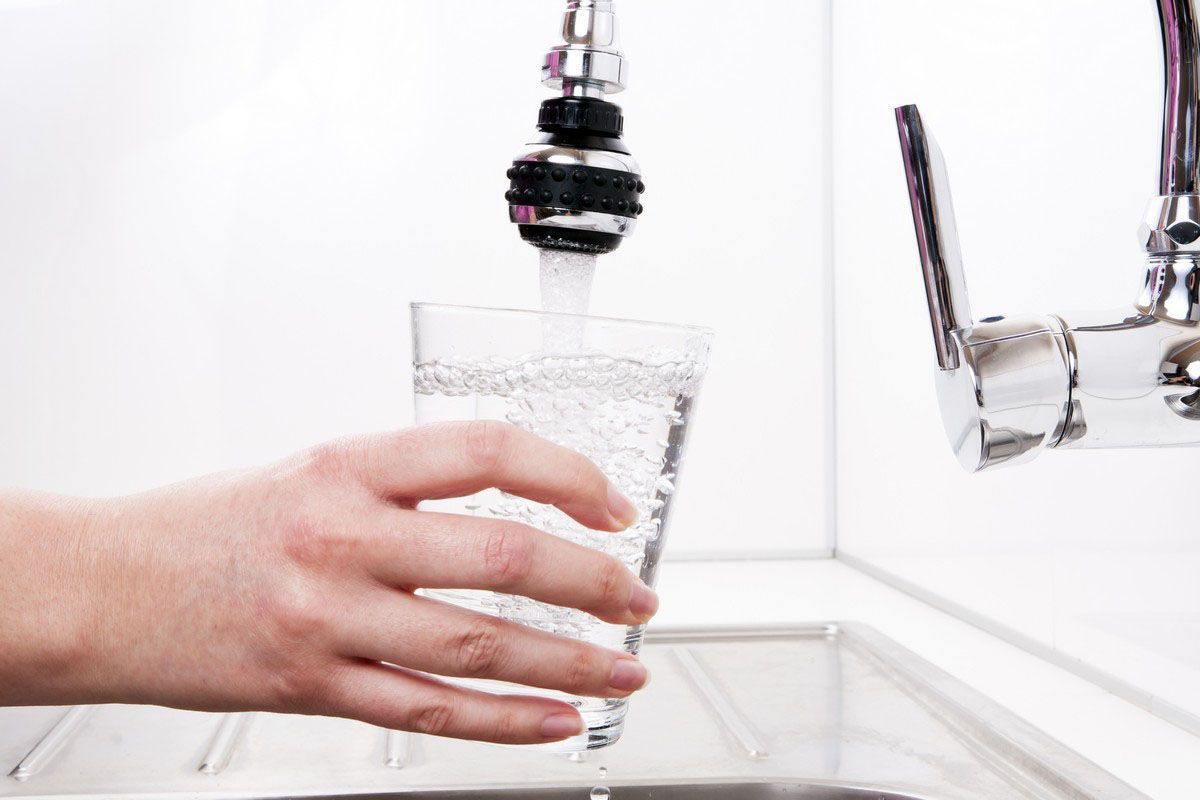
Mineral buildup can interfere with the normal operation of plumbing fixtures. Showerheads may develop blocked spray openings that reduce water flow or create uneven water patterns. Faucet aerators can also become clogged with mineral deposits, affecting the way water comes out of the fixture. These problems may develop gradually, making them easy to overlook until performance becomes noticeably worse. Removing the fixture and cleaning the affected components may help restore proper water flow. However, heavily accumulated deposits may require more intensive cleaning or replacement of damaged parts. Regular attention can help reduce the amount of buildup that collects inside small openings and connections. A limescale remover can assist with breaking down deposits that interfere with the performance of faucets, showerheads, and similar fixtures.
Affecting Water-Using Appliances
Household appliances that regularly use water can also be affected by mineral buildup. Coffee makers, dishwashers, washing machines, water heaters, and other equipment may develop deposits in areas where hard water passes through the system. Accumulated minerals can interfere with internal components and affect how efficiently the appliance operates. Some appliances may require more frequent cleaning when they are used with hard water. Mineral deposits can also affect heating elements by creating a layer that reduces the efficiency of heat transfer. Over time, this may contribute to increased wear on certain components. Following the manufacturer's cleaning and maintenance recommendations can help reduce the effects of mineral accumulation. A limescale remover designed for the appropriate application may help manage deposits in certain water-using appliances.
Increasing Cleaning Challenges
Hard water can make ordinary cleaning tasks more difficult for homeowners. Mineral deposits may remain on glass, tile, chrome, stainless steel, and other surfaces after water evaporates. These spots can create a cloudy or dull appearance that is difficult to remove with regular household cleaners. Soap and shampoo residue may also combine with minerals to create a thicker film on showers and tubs. Repeated scrubbing may be necessary when deposits have been allowed to accumulate for a long time. This can make routine cleaning more time-consuming and frustrating. Addressing mineral deposits regularly may help prevent them from becoming deeply established on household surfaces. A limescale remover can make it easier to address mineral residue and reduce the effort required to clean affected areas.
Damaging Certain Household Surfaces
Limescale buildup can affect the appearance and condition of some surfaces when it remains in place for extended periods. Mineral deposits may create a rough texture that makes surfaces feel less smooth and polished. Scrubbing aggressively to remove hardened deposits can potentially damage certain finishes if the wrong tools or products are used. Natural stone, delicate metals, and specialized surfaces may require specific cleaning methods. Homeowners should always consider the material before applying a cleaning product to a mineral deposit. Using inappropriate products may create additional damage that is more difficult to correct than the original buildup. Gentle maintenance and regular cleaning may help reduce the need for aggressive removal methods. A limescale remover selected for the specific surface can help homeowners address buildup while reducing the risk of unnecessary damage.
Reducing Soap and Cleaning Effectiveness
Hard water can affect how soap and other cleaning products perform throughout the home. Minerals in the water may react with soap and make it more difficult to create a rich lather. This can cause homeowners to use more soap or detergent to achieve the desired cleaning result. Residue may also remain on skin, hair, clothing, dishes, and bathroom surfaces. Over time, this can contribute to a feeling of buildup that regular rinsing does not completely eliminate. The combination of hard water minerals and soap can also create a film on tubs, showers, and sinks. Understanding the relationship between water quality and cleaning performance can help homeowners choose more effective maintenance strategies. A limescale remover can help address mineral residue that contributes to buildup and makes cleaning more difficult.
Creating Water Heater Concerns
Water heaters can be particularly vulnerable to mineral accumulation because they heat and store water. Minerals may settle at the bottom of a tank or collect around heating components as water is heated. This buildup can affect the way the system transfers heat and may contribute to increased operating strain. Sediment and scale can also reduce the amount of usable space inside certain tanks. Homeowners may notice changes in hot water availability or unusual noises from the system when mineral deposits become significant. Regular maintenance can help identify and address sediment or scale before it becomes a more serious concern. Water heater maintenance should be completed according to the equipment manufacturer's recommendations. A limescale remover may be useful for certain components or applications, but homeowners should select products carefully and follow appropriate instructions.
Preventing Buildup Through Maintenance
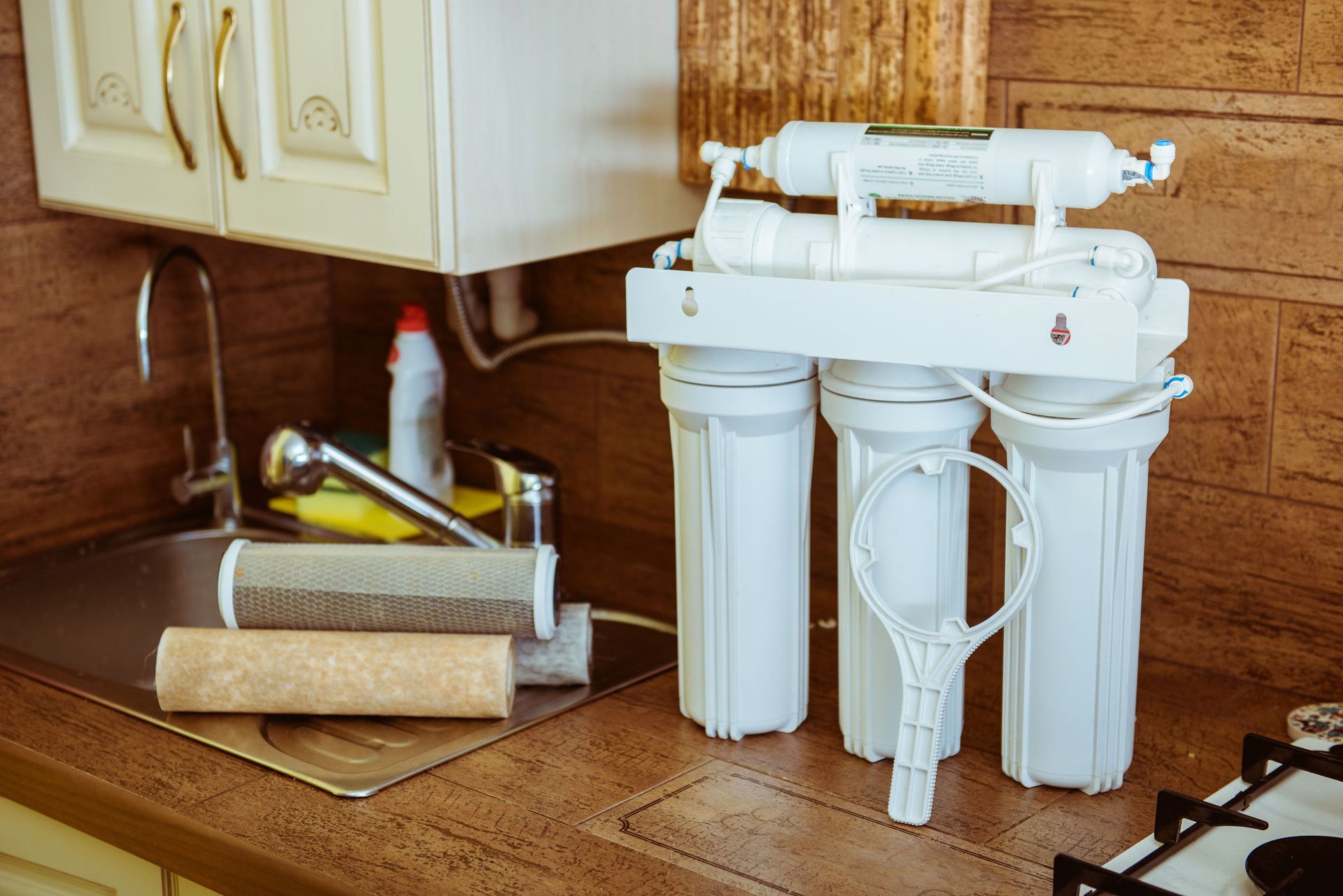
Preventive maintenance can help homeowners reduce the amount of limescale that accumulates throughout the property. Wiping wet surfaces regularly can remove water before minerals have an opportunity to dry and remain behind. Cleaning showerheads, faucet aerators, and other fixtures can also help prevent deposits from blocking openings. Homeowners may benefit from learning more about the hardness of their household water. Depending on the situation, a water treatment system may help reduce the minerals that contribute to scale formation. Regular maintenance should also include following recommended cleaning instructions for appliances that use water.
Homeowners should also consider whether ongoing hard water conditions are contributing to repeated scale problems. Choosing appropriate cleaning products and using them according to the manufacturer's directions can help protect affected surfaces. If you need an effective solution for managing mineral deposits in your home, Greenrod Solutions can help you find the right approach for your cleaning needs. Contact us today to learn more about solutions designed to help address limescale buildup and keep your home cleaner and easier to maintain.