December 15, 2025
The importance of access to clean drinking water cannot be overstated. This guide aims to provide beginners with comprehensive knowledge about clean water, its sources, and methods to ensure its purity for safe consumption.
The Importance of Clean Drinking Water
Access to clean drinking water is crucial for maintaining good health. Clean water is free from harmful contaminants that can cause diseases such as cholera and dysentery. Regular consumption of clean water supports essential bodily functions, including metabolism and temperature regulation. Moreover, clean water promotes optimal physical and mental performance. Ensuring access to safe drinking water is one of the most effective ways to prevent waterborne illnesses and promote overall health.
Clean water is a fundamental building block for any thriving community. It plays a vital role in agriculture, helping communities to grow crops and sustain themselves. Access to clean water improves educational opportunities as children are healthier and can attend school more regularly. Economically, clean water attracts businesses and fosters economic growth. Community development is significantly enhanced when clean water is readily available.
Polluted water sources can have a devastating effect on the environment. Contaminants in water bodies can destroy ecosystems and harm wildlife. Polluted water can also seep into the ground, affecting soil quality and vegetation. Efforts to clean these water sources can be costly and time-consuming, posing significant challenges to conservation efforts. Protecting and maintaining clean water is essential for the health of our planet.
The quality of water has direct economic implications for societies. Poor water quality can lead to increased healthcare costs as communities deal with water-related health issues. It can also affect agriculture, diminishing crop yields and food production. Clean water availability boosts economic activities, attracting tourism and investment. Sound water management practices are essential for economic sustainability and growth.
Several international organizations are working to promote water accessibility on a global scale. Initiatives such as the United Nations' Sustainable Development Goals focus on ensuring universal access to safe and affordable drinking water. Partnerships between governments, NGOs, and the private sector play a crucial role in these efforts. Investing in water infrastructure and technology is essential to improving global water access. The collective effort aims to achieve significant improvements in global water accessibility within the next decade.
Sources of Clean Drinking Water
Natural sources such as springs, rivers, and lakes have traditionally been the primary sources of drinking water. These sources are often rich in minerals and nutrients but can be susceptible to contamination. Proper management and protection of these water bodies are essential to ensure their continued viability. Rain and snow can replenish natural water sources, making them vital components of the water cycle. Conservation efforts help maintain these sources for future generations.
Municipal water supplies play a crucial role in providing clean drinking water to urban populations. Water treatment plants are instrumental in ensuring water safety by removing contaminants and pathogens. Continuous testing and monitoring are essential to maintaining the standards set by regulatory bodies. According to the U.S. Department of Energy, the average person uses 75 gallons of water per day, highlighting the importance of efficient and reliable municipal supplies. Investment in infrastructure and technology is necessary to sustain and improve these systems.
Wells tap into groundwater sources, providing a reliable source of clean drinking water for many communities. Groundwater is generally protected from surface contaminants, but proper well construction and maintenance are critical. Regular testing ensures that the water remains free of harmful substances. Wells can be a cost-effective source, especially in rural areas where access to municipal supplies is limited. Safeguarding groundwater through sustainable practices is essential for the continued viability of wells.
Rainwater harvesting is a centuries-old practice gaining renewed interest as a sustainable water solution. This method involves collecting and storing rainwater for various uses, including drinking. With proper filtration and treatment, rainwater can be a clean and reliable water source. It can help alleviate pressure on municipal systems and reduce dependency on wells. As climate patterns shift, rainwater harvesting offers a resilient approach to water management.
Desalination involves the removal of salt from seawater to produce fresh water. This technology is particularly useful in arid regions where freshwater resources are scarce. Advances in desalination have made it more cost-effective and energy-efficient, albeit with some environmental concerns. By harnessing ocean water, desalination helps supplement conventional water sources. Continued innovation is essential to address the challenges associated with desalination and expand its use.
Common Contaminants in Drinking Water
Bacteria and viruses are microscopic organisms that can contaminate drinking water and cause illness. Common waterborne pathogens include E. coli, Giardia, and Norovirus, leading to diseases such as diarrhea and gastrointestinal infections. Drinking water sources are vulnerable to contamination through human and animal waste. Proper treatment and chlorination are essential to eliminate these pathogens. Regular monitoring is crucial to safeguarding public health.
Industrial discharge can introduce harmful chemicals into water supplies, affecting their quality. Pollutants such as solvents, pesticides, and heavy metals pose significant health risks. Strict regulations and enforcement are necessary to prevent industrial pollution of water sources. Innovative treatment technologies can help mitigate the impact of industrial pollutants. Collaboration between industry and regulatory bodies is essential to maintaining water safety standards.
Heavy metals like lead, mercury, and arsenic can leach into drinking water from natural deposits and industrial activities. Prolonged exposure to these toxins can harm human health, affecting the nervous system and leading to developmental issues in children. Comprehensive testing and proactive measures are crucial to preventing contamination. Modern filtration systems can help reduce the concentration of heavy metals in water supplies. Continued vigilance and education are necessary to protect communities.
The use of pesticides in agriculture can lead to water contamination through runoff during rainfall. These chemicals can persist in water bodies, affecting both human health and aquatic life. Implementing sustainable farming practices is key to reducing pesticide runoff. Proper regulations and community awareness campaigns help minimize the impact of agricultural pollutants. Monitoring and testing are essential to ensure compliance and safeguard water quality.
Some contaminants found in drinking water occur naturally, such as fluoride, radon, and certain minerals. While some natural contaminants can be beneficial in small amounts, excessive levels pose health risks. Geological conditions and environmental factors contribute to the presence of these substances in water. Water treatment processes can effectively manage natural contaminants to ensure safety. Public awareness and education are crucial components of managing naturally occurring substances in drinking water.
Methods to Purify Drinking Water
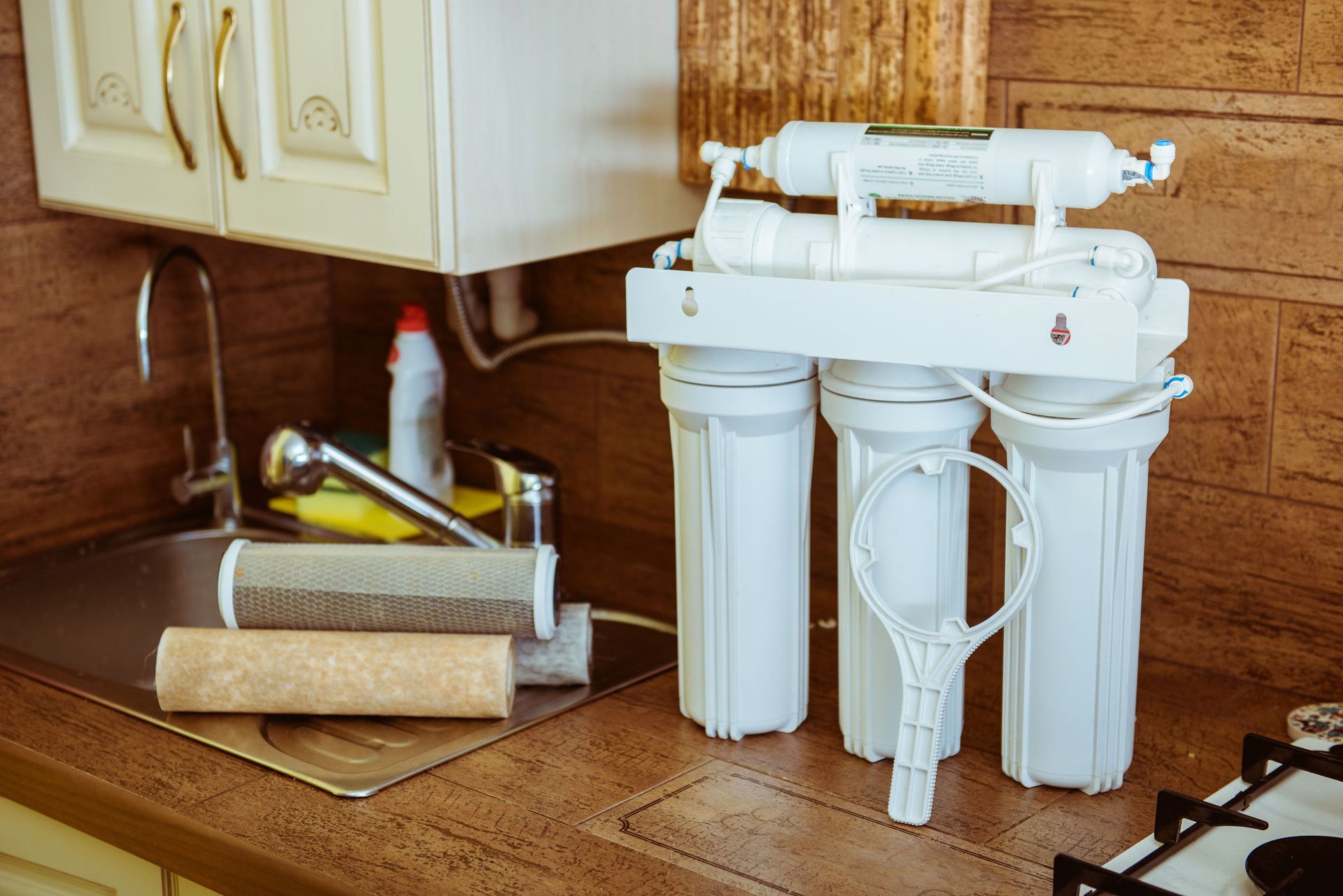
Filtration systems are a popular method for purifying drinking water and removing impurities. These systems use various materials, such as carbon or ceramic, to capture contaminants. Different filtration techniques cater to different needs, including point-of-use filters for household applications. Regular maintenance and replacement of filters ensure continued efficiency. Filtration provides an accessible and effective option for improving water quality.
Boiling water is a simple yet effective way to kill bacteria and viruses, ensuring safe consumption. This traditional method raises the water temperature to eliminate pathogens and other microorganisms. It is particularly useful in emergencies or in areas with limited access to clean water. Boiling is not suitable for removing chemical contaminants, but it provides a quick solution for biological threats. By allowing water to cool after boiling, individuals can confidently consume it safely.
Chemical treatments can be used to purify water, making it safe for drinking. Chlorine and iodine are common chemicals added to water to eliminate pathogens. These treatments are effective, portable solutions for disinfecting water in emergencies or outdoor settings. While chemically treated water has a distinctive taste and odor, the safety it provides is invaluable. Users should follow guidelines carefully to avoid over-treatment and potential health risks.
UV water purifiers employ ultraviolet light to neutralize microorganisms in water. By disrupting DNA and RNA, UV purifiers render pathogens inactive, preventing them from reproducing. This technology offers a chemical-free and environmentally friendly option for water purification. Although UV systems do not remove chemical contaminants, they excel at eliminating bacteria and viruses. Regular maintenance and proper installation ensure optimal functionality of UV purifiers.
Access to clean drinking water is a fundamental human right and a cornerstone of public health. By understanding the challenges and solutions associated with clean water, individuals and communities can make informed decisions to ensure water quality and sustainability for current and future generations. Do you need
water purification supplies? Contact Greenrod Solutions today.