February 5, 2026
Every household depends on clean water for daily activities, and effective water treatment plays a critical role in removing harmful contaminants. Over time, even the most reliable water filtration systems can wear down and become less effective, making upgrades necessary. Recognizing early signs of system deterioration helps preserve water quality while protecting the health and safety of your family. By understanding these indicators, homeowners can make informed decisions that ensure their water treatment solutions continue to perform as intended.
Low or no Water Pressure
One of the most common signs that your water filtration system may need an upgrade is a noticeable decrease in water pressure. This is particularly evident if the flow rate from your faucets has diminished over time, indicating that your system is not working efficiently. Often, a decline in water pressure is due to clogged filter cartridges that can restrict the water flow. These blockages can occur when the filters become saturated with contaminants, reducing their capacity to function properly. Additionally, the system's age and wear on components can further contribute to reduced water pressure, making an upgrade a necessary consideration.
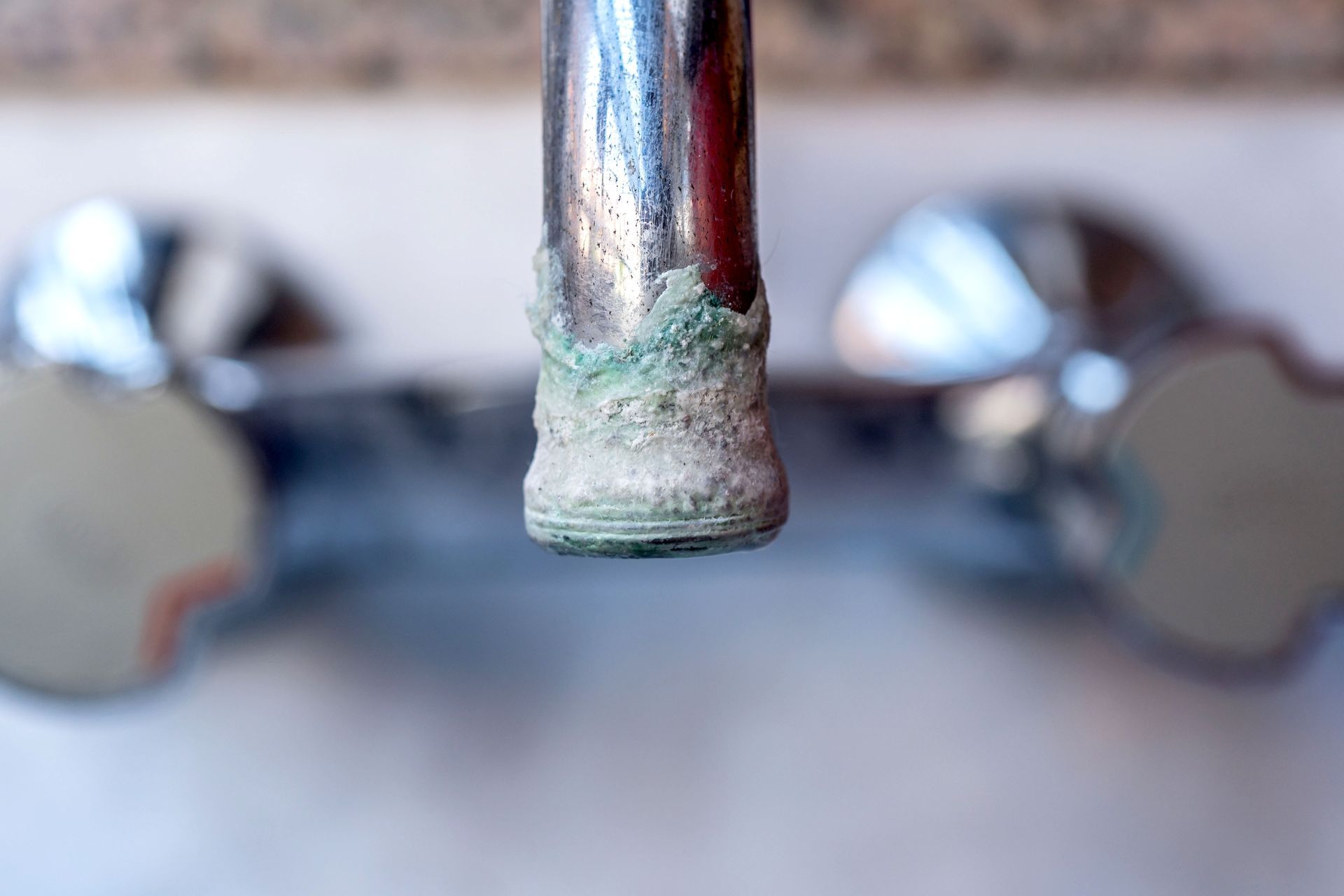
Another contributing factor to decreased water pressure can be sediment build-up in pipes. Over time, minerals and sediments can accumulate, causing the pipes to narrow and ultimately result in lower water pressure. Inefficient filter technology may also fail to adequately prevent this build-up, further exacerbating the problem. According to The U.S. Department of Energy, the average household, homes with one to three bathrooms, requires a filtration system with a flow rate of between 8 and 12 gallons per minute. If your current system cannot maintain this flow rate, it may be time to consider more advanced and efficient filtration technology.
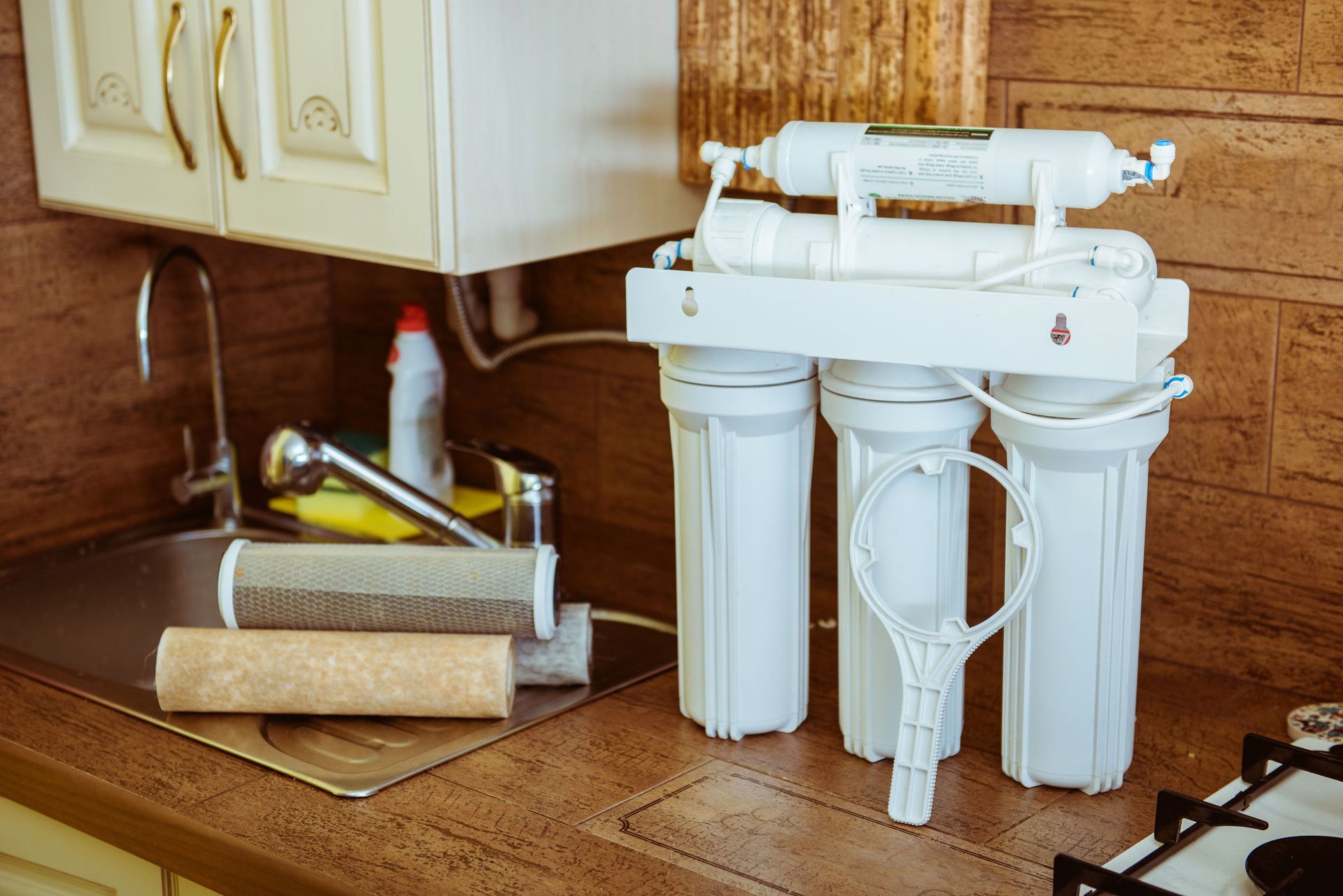
Addressing decreased water pressure often requires a thorough evaluation of the entire system to identify the underlying issue. In many cases, improving water treatment involves upgrading to more efficient filtration media or replacing outdated components that restrict flow. Routine maintenance plays an important role in preserving proper water pressure and preventing minor issues from escalating. However, when repairs become frequent or performance continues to decline, replacing the system may prove to be the most cost-effective long-term solution. A modern water treatment system ensures consistent water flow while maintaining the quality and efficiency of your home's water supply.
Unpleasant Taste and Odor
Another indication that your water filtration system might need an upgrade is the presence of unpleasant tastes or odors in your water. For instance, if your water smells like chlorine or chemicals, it may indicate that your filtration system is no longer effectively removing these substances. The same applies if you detect a metallic taste; this can signal the presence of iron, lead, or other metals that should be filtered out. Moldy or musty odors in your water suggest potential biofilm or algae growth within the system, indicating a failure in your current filtration technology. Persistent aftertastes in food and beverages prepared with your water are another clear sign that it might be time for an upgrade.
Unpleasant tastes and odors not only affect your water but can also extend to cooking and beverages, altering their flavor and quality. If the filtration materials in your system are outdated, they may not effectively remove contaminants that cause these issues. Newer filtration systems incorporate advanced materials designed to target and eliminate specific impurities, providing cleaner and better-tasting water. Recognizing these sensory changes is essential to ensuring your water is safe and palatable. When your filtration system can no longer guarantee this, it's time to explore more advanced options that can.
Addressing unpleasant tastes and odors often involves more than just replacing your filter cartridges; it requires evaluating the actual filtration process. Modern filtration and water treatment technologies offer improved performance, even eliminating persistent contaminants such as pharmaceuticals that older systems might miss. Investing in an upgrade can provide peace of mind, knowing that your water is not only free of unpleasant tastes and odors but also safe for your family to consume. To tackle these challenges comprehensively, upgrading to a system with enhanced capabilities is a worthwhile consideration.
Cloudy or Discolored Water
Discoloration and cloudiness in your water can be alarming and are signs that your current filtration system may not be functioning properly. If you notice a visible brown or yellow tint, this could indicate the presence of rust, sediment, or organic matter that the filters fail to remove. Additionally, the presence of particulates or debris in your water is a clear indication that the system's filtration is inadequate. Persistent hazy or milky appearances in your water suggest that mineral content or other impurities are not being effectively filtered out.
Ineffective filtration capacity is often the underlying issue when discoloration and cloudiness occur. This can result from filters that are no longer effective or from outdated filtration technology that cannot handle the current level of water impurities. Newer systems are designed to address these concerns, with improved materials that capture smaller particles and more specialized contaminants. By opting for an upgrade, you are investing in the ability to deliver consistently clear and visibly clean water to your household.
Routine maintenance can sometimes mitigate issues related to discoloration and cloudiness, but ongoing problems are a sign of deeper system inadequacies. An effective solution is to replace your old system with a modern filtration unit specifically designed to tackle a broader range of impurities. Besides improving water appearance, these systems support efficient operation and help prevent damage to appliances and plumbing caused by sediment. Investing in an upgraded filtration system can provide stable, high-quality water treatment for all your household needs.
Frequent Need for Maintenance and Repairs
If you find yourself frequently needing to maintain or repair your water filtration system, it's a strong indication that an upgrade is necessary. Increased frequency of filter changes signals that your current system may not be coping with the volume of contaminants in your water. Furthermore, recurring leaks or breakages in the system point to possible wear and tear of its components. A consistent need for professional repairs can be both inconvenient and costly in the long run.
The rising cost of ongoing maintenance is another factor that makes upgrading an attractive option. While regular maintenance costs are expected, excessive spending to keep an outdated system running smoothly can be financially draining. Upgrading your water filtration system can save money over time by reducing the need for constant repairs and replacements. Additionally, it brings the advantage of more advanced technologies that require less upkeep.
System age and obsolescence further necessitate the need for an upgrade. As filtration systems evolve, older models become obsolete, lacking the features and efficiencies present in current designs. Modern systems offer improvements in filter efficiency, durability, and ease of use, reducing the burden of continual upkeep. By upgrading, you ensure continued protection against contaminants with minimal ongoing effort.
Upgrading your water filtration system is a proactive step toward ensuring a reliable supply of clean and safe water for your household. Recognizing the signs that your current system may be underperforming is crucial in protecting your water quality and avoiding potential health risks. With continual advancements in filtration and water treatment technology, you have access to more efficient and effective systems that can suit your specific needs and preferences. Contact Greenrod Solutions for water filtration options that will help keep your home clean and safe.